

News & Insights
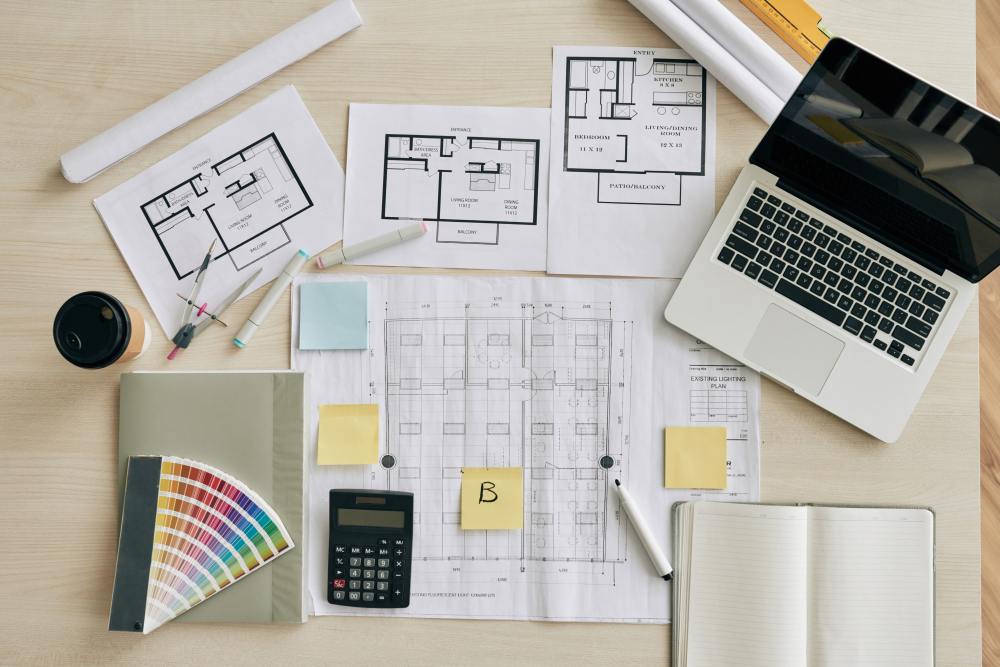
Choosing the right floor plan is one of the most important decisions you’ll make when building a home. It impacts not only how the home feels day to day but also how well it suits your lifestyle and future needs. Whether you're a first home buyer, growing family, or downsizer, selecting the perfect layout ensures that your new space works for you now and well into the future.
If you’re exploring house and land packages, understanding how to assess and compare floor plans is key. Here are some practical tips to help you make a confident, informed decision.
Before falling in love with a specific design, think about how you actually live. Consider:
A floor plan should support your lifestyle, not restrict it. For example, families may prioritise multiple living areas or a separate wing for the kids, while couples may prefer a central kitchen with seamless indoor-outdoor flow.
Every homeowner has different priorities. Some might want a walk-in pantry, others a large theatre room or generous garage. Define your must-haves versus nice-to-haves.
This will make it easier to shortlist house and land packages that align with your expectations and help you stay within budget. You’ll also avoid getting swept up in unnecessary upgrades that may not add long-term value.
Beyond room counts, consider how the layout feels in terms of flow and function. Well-designed floor plans group “wet zones” like kitchens, laundries and bathrooms for better plumbing efficiency. Living areas should have good natural light and ventilation, while bedrooms should offer privacy.
Look at how the home zones different spaces:
Good zoning makes the home more liveable, especially if you have children or entertain regularly.
Some people choose a block first, then find a home design that fits. Others go the opposite way. Either approach is fine, but it’s vital that the two match.
A wide, shallow block may suit a sprawling single-storey design, while a narrow block might require a more vertical floor plan. Orientation also plays a role. Positioning living areas to capture natural sunlight can improve comfort and energy efficiency.
If you’re purchasing a house and land package, your builder will usually help you assess how the floor plan will work on the selected lot.
The best floor plans offer flexibility as your needs evolve. Look for features like:
This flexibility is particularly useful if you’re planning to stay in your home long term or anticipate lifestyle changes in the near future.
Storage can make or break a home’s functionality. From linen closets and walk-in robes to pantry space and garage shelving, ensure the floor plan includes enough built-in storage to avoid clutter.
Some designs even integrate attic storage or under-stair cupboards. These features may not be immediately noticeable but contribute significantly to everyday liveability.
Whenever possible, visit display homes that match the floor plans you’re considering. This gives you a real sense of space, flow, and proportion that’s hard to gauge from a drawing.
Take note of ceiling heights, hallway widths, and how different rooms connect. Ask yourself:
Some builders also offer virtual tours if a display home isn’t available nearby.
Floor plans can look stunning on paper, but remember that changes and upgrades add costs. Keep your budget in mind, including potential site costs, finishes, and structural upgrades.
Many house and land packages offer fixed-price inclusions that cover everything from landscaping to flooring, which can help keep costs under control. Make sure the floor plan you choose aligns with what’s included, or get clear pricing for any adjustments.
Choosing the right floor plan takes time, but it’s worth the effort. A well-designed home layout will improve your comfort, efficiency, and long-term satisfaction with your new home. If you're exploring house and land packages, make sure to assess both the home and land together so you can unlock the full benefits of a turnkey solution.
Ready to start designing your dream home? Explore Tulloh Street’s range of expertly curated house and land packages to find the perfect fit for your lifestyle and location: https://www.tullohst.com.au/.
Another exciting development by


